
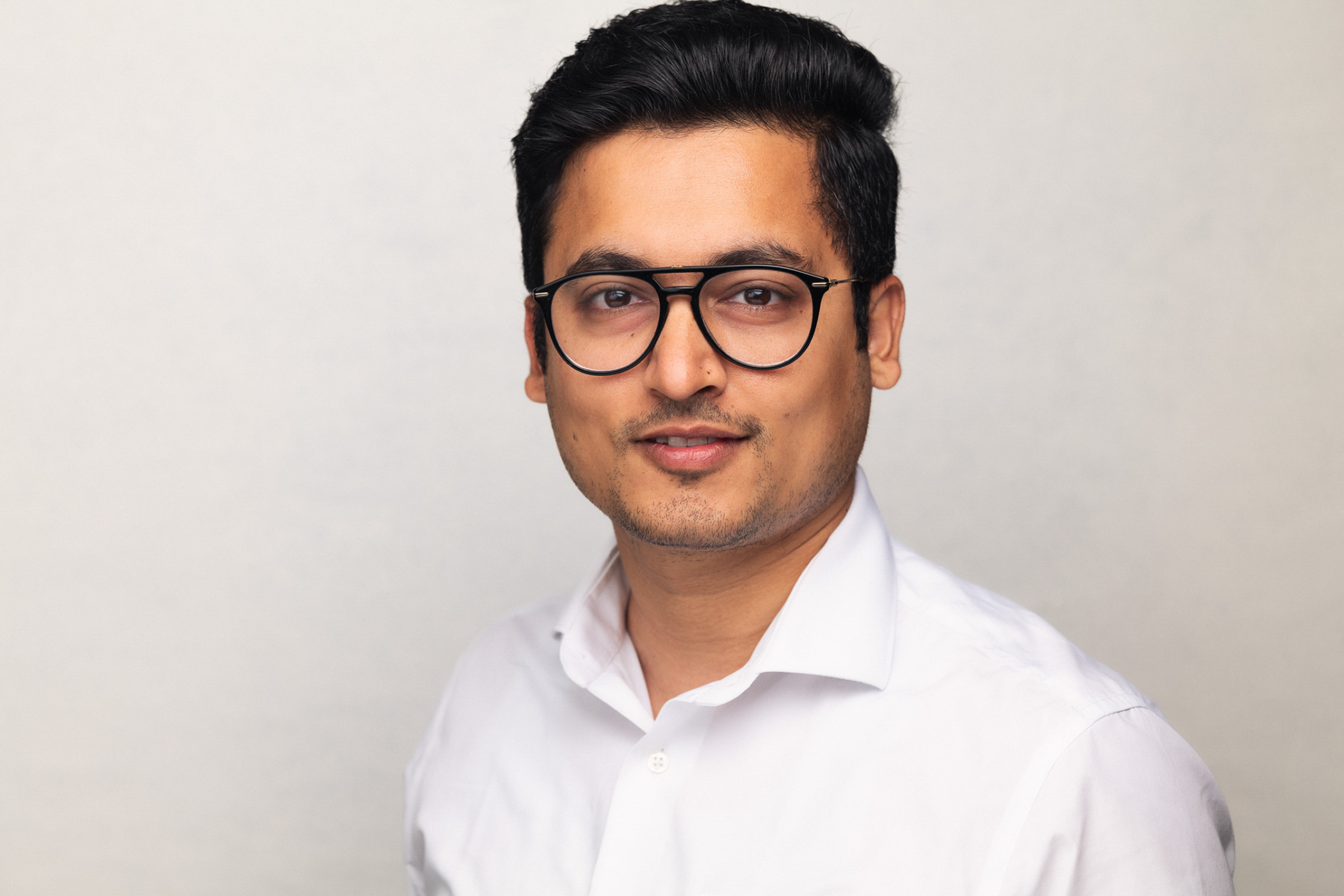
“What should I wear?” is one of the most common questions before a headshot session, and it deserves a proper answer. The useful answer isn’t a dress code. It’s a few principles that help clothing photograph well, and a handful of things worth checking before the day.
Dress for your role, your industry and where the photo will be used
Start with what you’d wear to do your job on a good day. Not a costume version of “professional”, and not something bought only for the shoot. A headshot is meant to look like you, and the clothes should support that rather than compete with it.
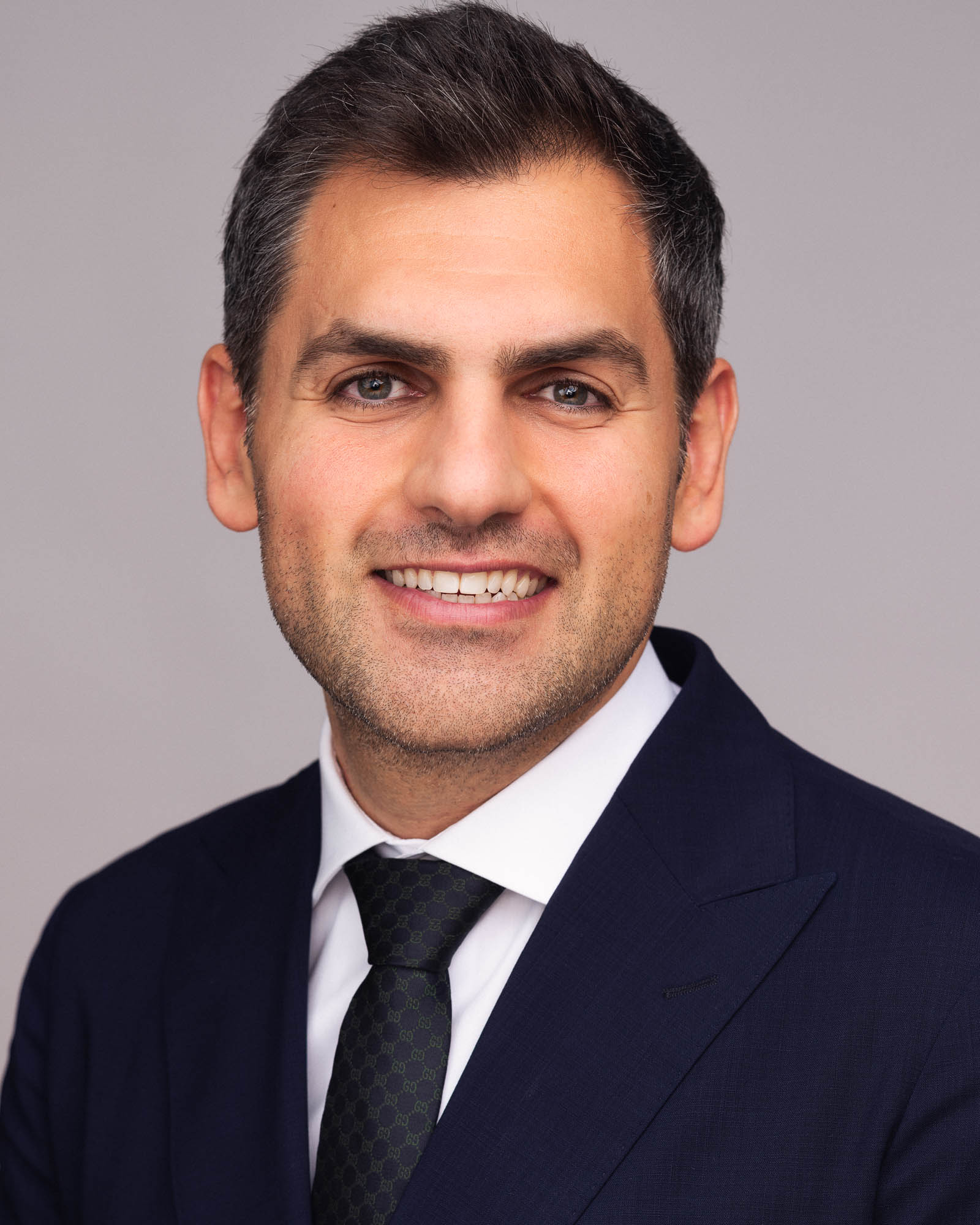
The right level of formality depends on the work you do and where the image will appear. Someone in a client-facing role at a law firm or a bank may want a jacket and, perhaps, a tie for the firm’s website. Someone in a creative agency or a technology company may be better represented by a well-fitted shirt, knit or smart casual layer. These are starting points, not rules: plenty of lawyers wear open collars and plenty of designers wear suits. The aim is that the people who see the photograph recognise the person who turns up to the meeting.
If you’ll use the images in different places, such as a formal company website and a more relaxed LinkedIn profile, it’s worth bringing options that cover both.
Colour
Solid, mid-tone colours are a reliable choice: navy, charcoal, burgundy, forest green, deep teal and soft blues all sit comfortably against most backgrounds and keep attention on your face.
That doesn’t mean other colours are off limits. A few things are worth knowing:
- White can work well, particularly under a jacket. As the outer layer it can draw the eye, so it’s worth bringing an alternative such as off-white or pale blue in case we want to compare.
- Black can look sharp, especially in a well-cut jacket. Very dark clothing against a dark background can lose its shape, so a second option is useful.
- Very bright or neon colours can reflect colour onto skin and dominate the frame.
- Contrast with your skin tone matters. A colour very close to your skin tone can make an image look flat. If you’re unsure, bring two options and we can compare them on camera.
Pattern and texture
Fine checks, narrow pinstripes and small, tight patterns can create moiré, a shimmering, wavy effect that appears when a fine pattern meets the camera’s sensor. It’s distracting, and it isn’t always easy to correct afterwards.
Texture is different. A knit, a tweed jacket or a matte cotton adds depth without competing with your face, and subtle texture often photographs better than a perfectly flat fabric.
Large logos, slogans and visible branding are usually best avoided, unless the photograph is for a context where your company’s branding is the point. They can date a photograph and pull focus.
Layers are useful
Bring a jacket, blazer or cardigan alongside a simpler base layer. It gives you more than one look from the same session without a full outfit change: more formal with the layer on, more relaxed with it off. That can be useful if you need images for different places.
Fit matters more than cost
A well-fitted, inexpensive shirt photographs better than an expensive one that’s slightly too big or too tight. In a headshot crop, the shoulders and collar are most of the outfit that’s visible, so that’s where fit shows. Check that the shoulder seams sit where your shoulders are, collars lie flat, and nothing pulls across the chest when you sit or stand.
Iron or steam everything the night before, and bring it on a hanger rather than folded in a bag.
Glasses, jewellery and grooming
Glasses: if you wear them every day, it usually makes sense to wear them for your headshot, because that’s how people know you. Reflections can be managed with lighting and positioning.
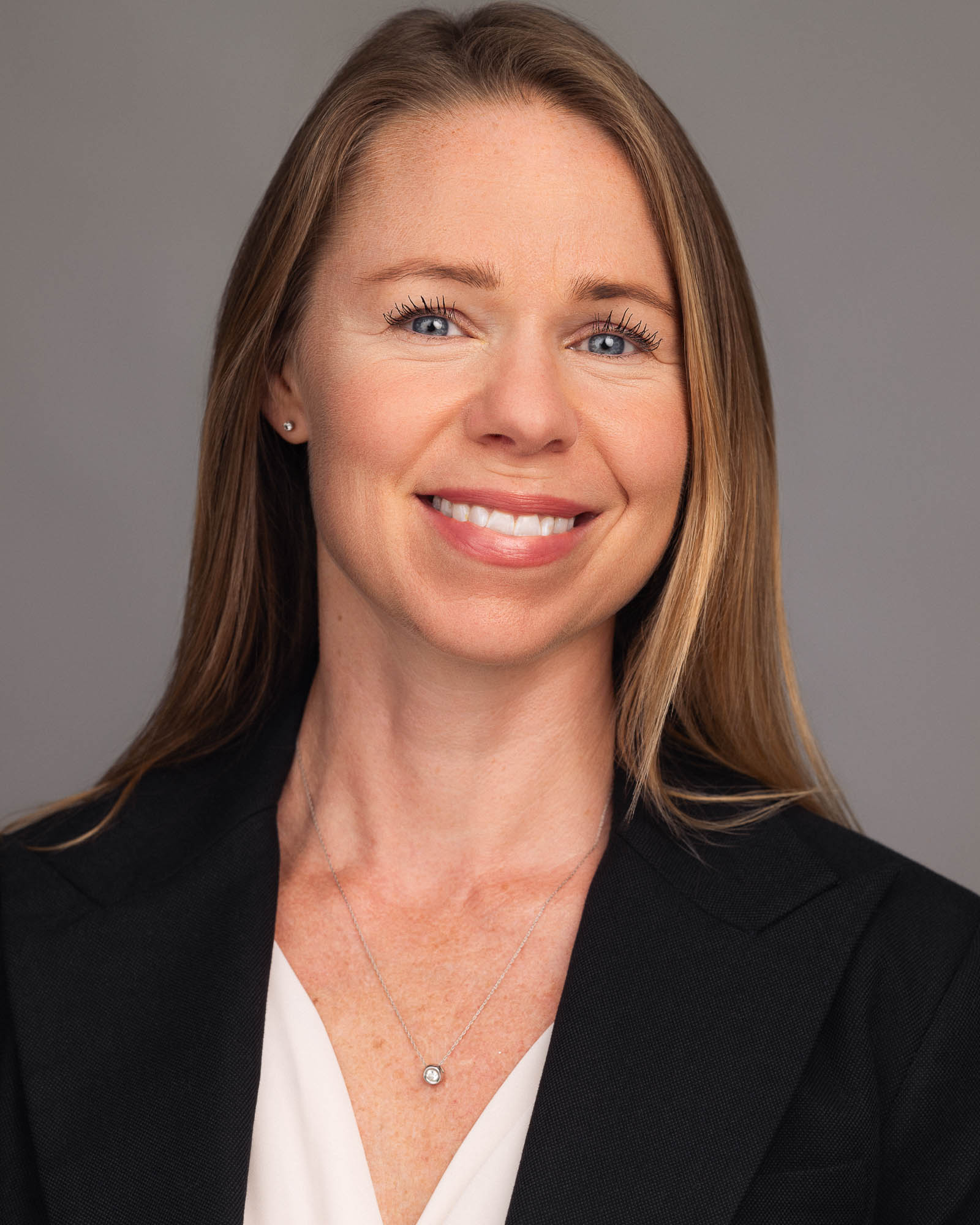
Jewellery: simple pieces tend to work best. Large or very shiny pieces can catch the light and draw the eye away from your face.
Grooming: stick to your normal routine. If you’re planning a haircut, have it a few days beforehand so it has time to settle. Avoid trying new skincare or grooming products just before the session in case they irritate your skin.
What to bring on the day
- Two or three tops or shirts that suit your role
- A jacket or layer, if you wear one for work
- Glasses, if you wear them daily
- A brush or comb, and anything you’d normally use to tidy your hair
- Everything on hangers
There’s no need to bring your whole wardrobe. A few considered options are more useful than a suitcase, and we can decide together where to start when you arrive.
If you’re attending a team headshot day
When colleagues are photographed on the same day, the finished set needs to sit together on one page. If you’re organising the day, it’s worth sending everyone a short version of this guide in advance. There’s more on planning in how to organise a team headshot day.
If you’re booking an actor session
Wardrobe for actor headshots works differently, and is covered in how to prepare for actor headshots.
Frequently asked questions
Should I wear a tie?
Wear one if you’d normally wear one at work, or if your clients would expect it. If you’re undecided, bring one: it’s easy to photograph with and without it.
Can I wear a dress or a sleeveless top?
Yes. A sleeveless top can look quite informal in a tight crop, so it’s worth bringing a light layer in case you’d like a more formal option.
Do I need professional hair and make-up?
No. Many people come as they’d look for an important meeting. Hair and make-up artists aren’t included in sessions, so if you’d like one, you’re welcome to arrange your own.
What if I’m not sure what works?
Bring a few options. Comparing two tops on camera at the start of the session takes a couple of minutes and settles the question far better than worrying about it at home.
An individual corporate headshot session at the Belsize Park studio takes about an hour. You can see a range of clothing choices in the corporate headshot gallery.